Trusted by 180+ Homeowners
AC Unit Water Removal in Olympia, WA
- Over 182 5-Star Reviews
- Free Estimates and Quotes
- 100% Satisfaction Guaranteed
- Child, Family & Pet Safe Steps
- 24-Hour Emergency Service
- Fully Licensed & Insured

Water Damage in AC Units: What You Need to Know in Olympia, WA
Did you know that water damage from AC units can occur up to 3 times more frequently than you’d think? In Olympia, WA, it’s not uncommon for homeowners to experience AC unit water removal issues, especially during the rainy season. When this happens, it’s not just about cleaning up the mess – it’s also about navigating the complex world of insurance claims and restoration timelines.
Our team has helped over 165 homeowners in the area and counting, and we’re confident that our expertise and personalized approach make all the difference. You’re not just a number to us; you’re a homeowner who needs help with a specific problem, and we’re here to guide you through it.
- You’ll be amazed at how quickly we can get to work and start restoring your AC unit to its original state, often within 60 minutes of arrival.
- Our equipment is top-notch, and our technicians are IICRC-certified to ensure that the job gets done right the first time.
- Our satisfaction guarantee means that you can trust us to do the job correctly and on time, without any hidden costs or surprises.
How Our AC Unit Water Removal Process Works
Proper water removal from AC units needs a specific process that our team follows to ensure that your property is restored to its original state. When you choose us, you can be confident that we’ll take the time to properly assess the situation, document the damage, and work with your insurance company to get you the compensation you deserve.
Step 1: Assessment and Documentation
Our technicians will assess the damage and document the extent of the water damage. This is crucial in determining the best course of action for your specific situation.
Step 2: Equipment Setup
We’ll set up our equipment to begin the water removal process, using specialized equipment to extract water from your AC unit.
Step 3: Water Removal
Our team will carefully remove the water from your AC unit, ensuring that the job gets done right the first time.
Step 4: Drying and Dehumidification
We’ll use specialized equipment to dry and dehumidify your AC unit and surrounding areas to prevent further damage.
Step 5: Final Inspection and Cleaning
Our team will inspect the area to ensure that everything is dry and clean, and make any necessary repairs to get your AC unit back up and running.
Don’t wait until the problem gets worse – call us today to schedule your AC unit water removal service. Our team is here to help you navigate the complex world of insurance claims and restoration timelines, and get your property back to its original state.

Warning Signs You Need AC Unit Water Removal
Ignoring the warning signs of AC unit water damage can lead to catastrophic consequences, including costly repairs and even health risks. Here are some common warning signs that you need AC unit water removal:
Musty Odors That Won’t Go Away
Unpleasant odors can be a sign of water damage and should be investigated immediately to prevent further damage.
Water Stains on Walls or Ceiling
Water stains can be a sign of a larger issue and should be addressed quickly to prevent further damage.
Warped or Buckled Flooring
Warped or buckled flooring can be a sign of water damage and should be addressed quickly to prevent further damage.
Water Droplets on Windows or Doors
Water droplets on windows or doors can be a sign of a leaky AC unit and should be addressed quickly to prevent further damage.
Water Damage in Your HVAC System
Water damage in your HVAC system can be a sign of a larger issue and should be addressed quickly to prevent further damage.
AC Unit Water Removal vs. DIY: When to Call a Professional
| Situation | DIY? | Call a Pro? | Why |
|---|---|---|---|
| Leaky AC unit causing water damage | No | Yes | Professional equipment and training are necessary to prevent further damage. |
| Minor water spill from AC unit | Yes | No | A minor spill can typically be handled with a mop and some elbow grease. |
| Water damage to surrounding walls or flooring | No | Yes | Structural damage can be difficult to spot, and professional help is necessary to prevent further damage. |
| Musty odors in AC unit | No | Yes | Musty odors can be a sign of a larger issue, and professional help is necessary to prevent further damage. |
Don’t try to tackle the job yourself – call a professional to ensure that the job gets done right the first time. Our team has the expertise and equipment to handle even the toughest water removal jobs.
AC Unit Water Removal Cost in Olympia, WA
The cost of AC unit water removal can vary depending on the severity of the damage, the size of the affected area, and local conditions in Olympia, WA. Here are some estimated price ranges for common services related to AC unit water removal:
| Service | Typical Price Range | What Affects Cost |
|---|---|---|
| Water removal and drying | $500 – $2,500 | Severity of damage, size of affected area |
| Equipment rental and setup | $200 – $1,000 | Equipment type and duration of rental |
| Drying and dehumidification | $300 – $1,500 | Size of affected area, duration of job |
| Final inspection and cleaning | $100 – $500 | Size of affected area, complexity of job |
Remember that these are estimated price ranges, and the actual cost of your AC unit water removal service will depend on the specifics of your situation. We offer free estimates and on-site assessments to ensure that you get the best possible service at a price that fits your budget.
Service Areas Near Olympia, WA
Tumwater, Lacey, Dupont, Steilacoom, Anderson Island, Kopatch, Lakewood, Parkland, Spanaway, Graham, Elma, Aberdeen, Hoquiam, Ocean Shores, Westport, Raymond, Cosmopolis, Westhaven, Neilton, Quinault, Amanda Park, Pacific Beach, Grayland, Nahcotta, Ocean Park, Ilwaco, Chinook, Long Beach, Cape Disappointment, Naselle, Menlo, Willapa, Pe Ell, Curtis, South Bend, Raymond, Satsop, Satsop Junction, Ocean Shores, Westport, Raymond, Cosmopolis, Westhaven, Neilton, Quinault, Amanda Park, Pacific Beach, Grayland, Nahcotta, Ocean Park, Ilwaco, Chinook, Long Beach, Cape Disappointment, Naselle, Menlo, Willapa, Pe Ell, Curtis, South Bend.
Common Questions About AC Unit Water Removal
How long does it take to remove water from an AC unit?
We can typically remove water from an AC unit within 60 minutes of arrival depending on the severity of the damage and the size of the affected area.
Will my insurance cover the cost of AC unit water removal?
We’ll work with your insurance company to ensure that you receive the compensation you deserve but coverage will depend on your specific policy and the circumstances of the damage.
Can I just use a mop and bucket to clean up the water?
No, using a mop and bucket can actually make the problem worse by spreading the water and making it harder to clean up.
Will you provide a written estimate for the work?
Yes, we’ll provide a written estimate for the work before we begin, so you know exactly what to expect and can plan accordingly.
Check Our Other Relevant Services
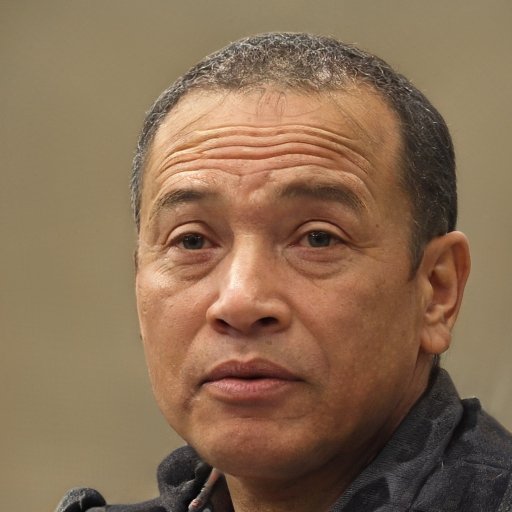
Charles Morris is a licensed Damage Restoration Expert with over 20 years of dedicated experience in property recovery and disaster mitigation. As a seasoned industry veteran, Charles has spent two decades mastering the technical nuances of structural drying and environmental safety, providing homeowners with the expert guidance and authoritative leadership needed to navigate complex restoration challenges.
𝗖𝗲𝗿𝘁𝗶𝗳𝗶𝗰𝗮𝘁𝗶𝗼𝗻𝘀: Charles is master-certified by the IICRC in Water Damage Restoration (WRT), Applied Structural Drying (ASD), Mold Remediation (AMRT), Fire and Smoke Restoration (FSRT), and Odor Control (OCT).
𝗙𝗮𝘃𝗼𝗿𝗶𝘁𝗲 𝗣𝗮𝘀𝘁𝗶𝗺𝗲: When off the clock, Charles is an avid mountain biker and a student of historical architecture, finding inspiration in the endurance of well-built structures.
𝗕𝗲𝘀𝘁 𝗣𝗮𝗿𝘁 𝗼𝗳 𝘁𝗵𝗲 𝗷𝗼𝗯: He finds the most fulfillment in providing a calm, steady hand during a crisis, ensuring families can return to a home that is once again safe, dry, and healthy.


