Chehalis, WA · Lewis County
Basement Water Removal in Chehalis, WABasement Dehumidification & Basement Drying Services
After a burst pipe or storm, Basement Water Removal in Chehalis means basement water pump out, basement wall drying and basement drying services.
Answered 24/7
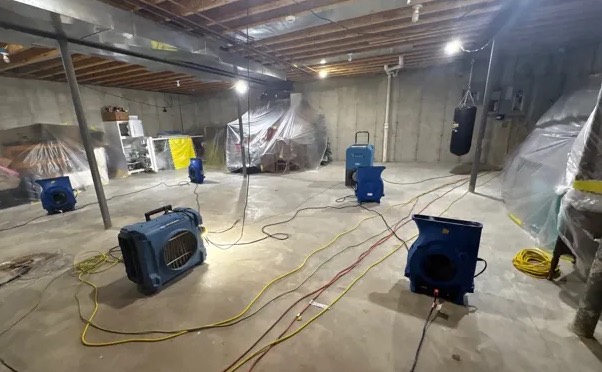
Reliable Basement Water Removal Near Chehalis, Washington
A wet basement gets worse every hour the water stays. In Chehalis, water on a basement floor wicks up drywall, soaks carpet pad and seeps into the concrete, and cool below-grade air keeps it from drying on its own.
In Chehalis, basement water removal calls often follow heavy rain, a sewer backup or a burst pipe. Local water extraction experts serve Chehalis, Centralia and Tumwater, pumping water out and drying the space.
Specialized Basement Water Removal for Chehalis
Basement Dehumidification
After drying, a household dehumidifier may still be needed to keep basement humidity in a healthy range.
Basement Drying Services
Equipment stays until the basement reads dry, not just until it looks dry. Removing it early lets dampness return.
Basement Water Pump Out
A pump-out removes standing water from the basement with submersible pumps, discharging it outside and away from the foundation.
Sump Pump Failure Water Cleanup
Cleanup after a sump failure includes drying the area around the pit and noting whether the pump, switch or power was the cause.
Basement Wall Drying
Concrete and block walls dry with directed airflow and dehumidification, which pull water out of the masonry.
Common Symptoms Requiring Basement Water Removal
Musty Odors and Mold Smell
A musty or damp smell in the basement points to wet materials hidden somewhere in the space.
Wet or Damp Basement Walls
Basement walls that look dark, feel damp or show tide lines are taking on or holding water.
Rusted Appliances or Furniture
Rust on appliance bases, furniture legs or metal shelving points to standing water or long-term dampness.
Warped or Buckling Flooring
Flooring that buckles, lifts or feels spongy has water trapped between it and the slab.
How Basement Water Removal Works in Chehalis
Step 1: Safety Assessment and Pump Out
Electrical hazards are checked, then deep water is pumped outside away from the foundation.
Step 2: Content Removal and Damage Documentation
Wet belongings are moved, and photos record the water level and damaged materials.
Step 3: Targeted Water Removal and Drying
Carpet is extracted, wet drywall is cut back and air is aimed at walls and the slab.
Step 4: Sanitization and Moisture Control
Surfaces touched by dirty water are disinfected, and dehumidifiers keep humidity low.
What Causes Water Damage in Basements
Sump Pump Malfunction or Power Loss
A sump pump that fails mechanically or loses power during a storm lets groundwater rise.
Window Well Leaks and Drainage
Window wells without drains or covers fill with rain and leak through the windows.
Foundation Cracks and Seepage
Cracks in foundation walls and the slab let groundwater seep in during wet weather.
Plumbing Leaks or Pipe Bursts
Supply lines, drain pipes and water heaters in the basement can leak or burst onto the floor.
Basement Water Removal for Homes and Businesses
Residential Basement Water Removal
Finished basements used as bedrooms or family rooms need careful moisture checks behind walls and under flooring, since that is where water hides.
Commercial Basement Water Removal
Businesses with below-grade storage need wet inventory moved out and documented. Drying is planned around daily operations wherever possible.
Basement Water Removal vs. DIY: When to Call the Pros
Fans by themselves can spread damp basement air through the rest of the house. Basement drying needs dehumidifiers that pull moisture out of both the air and the concrete.
Factors Affecting Basement Water Removal Cost
Waterproofing and drainage work are separate costs. In Chehalis, they may be needed to stop the next flood.
Water Depth and Volume
Deeper water takes more pumping time and usually means more materials got wet.
Access and Complexity
Narrow stairs, low ceilings and crowded storage areas make the work slower and longer.
Contamination Level
Sewage or dirty water needs protective gear, removal and disinfection, which costs more.
Does Insurance Cover Basement Water Removal?
Ask your adjuster early how your policy treats seepage and sewer backups, since many policies limit or exclude both kinds of water.
Why Choose Local Pros for Basement Water Removal in Chehalis
Detailed Damage Documentation
Photos, readings and drying logs are kept to support your insurance claim.
Contamination Safety Protocols
Sewage and dirty water are handled with protective gear, containment and disinfection.
Industry Drying Standards
Water removal and drying follow industry water damage standards, with readings at every visit.
Fast Emergency Basement Water Removal Available 24/7
If water is near outlets, the furnace or the electrical panel, stay out of it. Call (425) 600-5879 for help in Chehalis and wait for power to be made safe.
Call Now (425) 600-5879Communities Served for Basement Water Removal
Nearby areas served for basement water removal include Centralia and Tumwater, with the same pumping and drying steps used in Chehalis.
- Basement Water Removal in Centralia
- Basement Water Removal in Tumwater
- Basement Water Removal in Yelm
- Basement Water Removal in Lacey
- Basement Water Removal in Olympia
- Basement Water Removal in DuPont
- Basement Water Removal in Shelton
- Basement Water Removal in Spanaway
- Emergency Damage Restoration in 98532
- Storm Damage Restoration in 98532
- Water Damage Restoration in 98532
- Water Extraction Service in 98532
- Water Leak Detection in 98532
- Water Removal Service in 98532
Basement Water Removal FAQs
How does a basement moisture inspection work?
Moisture meters and thermal cameras check walls, floors and the slab, including behind finished walls and under flooring.
Can I dry my basement myself with fans?
Fans help with surface water, but walls and concrete need dehumidifiers and readings to dry fully.
What causes basement floor water damage?
Storm seepage, burst pipes, appliance leaks, foundation cracks and sewer backups through floor drains are the usual sources.
What is involved in basement leak cleanup?
Stopping the leak, extracting the water, drying the floor and walls and checking for hidden moisture under flooring.
Why is fast water removal so important for basements?
Basements dry slowly, so every hour of standing water adds drying days and more materials to replace.