Trusted by 180+ Homeowners
Ceiling Water Extraction in Everett, WA
- Over 182 5-Star Reviews
- Free Estimates and Quotes
- 100% Satisfaction Guaranteed
- Child, Family & Pet Safe Steps
- 24-Hour Emergency Service
- Fully Licensed & Insured

Protecting Everett Homes from Ceiling Water Damage
In Everett, WA, we experience a significant amount of rainfall during the winter months, with an average of 37 inches of precipitation annually. This excess moisture can lead to ceiling water damage, particularly in areas with poor ventilation or inadequate roof drainage. You’re wise to take proactive steps to protect your home from this risk. We’ll help you identify the warning signs and guide you through the ceiling water extraction process. Our team has the expertise and equipment to reduce damage and ensure a smooth recovery.
You can trust our team with over 165 five-star reviews, which is why you choose us for ceiling water extraction services. We have a reputation for delivering exceptional results and outstanding customer service in the area.
- Our team is IICRC-certified and committed to restoring your property to its original condition.
- We provide free estimates and flexible scheduling to accommodate your needs.
- Our equipment is designed to reduce damage and restore your property quickly.
The Ceiling Water Extraction Process in Detail
Our ceiling water extraction process involves a series of steps designed to reduce damage and restore your property as quickly as possible. We’ll work with you to identify the source of the leak and prevent future occurrences. Our team will then:
Step 1: Assessment and Containment
We’ll begin by assessing the extent of the damage and containing the affected area to prevent further moisture from seeping in. Our team will use specialized equipment to extract standing water and reduce the risk of secondary damage. This step is crucial in preventing further damage and ensuring a smooth recovery. Our teams are trained to work efficiently and effectively, reducing downtime for you.
Step 2: Water Removal
Next, we’ll use specialized equipment to remove all standing water from the affected area. Our team will use powerful pumps and wet vacuums to extract water, reducing the risk of secondary damage. We’ll also use thermal imaging to detect hidden water damage. This step is essential in preventing further damage and ensuring a thorough drying process.
Step 3: Drying and Dehumidification
Once the water has been removed, we’ll focus on drying and dehumidifying the affected area. Our team will use high-velocity air movers and dehumidifiers to promote evaporation and reduce the risk of mold growth. We’ll also monitor the affected area to ensure that it’s completely dry and free of moisture. This step is critical in preventing mold growth and ensuring a safe and healthy environment for you and your family.
Step 4: Cleaning and Sanitizing
After the affected area has been dried and dehumidified, our team will focus on cleaning and sanitizing the area. We’ll use specialized equipment and cleaning solutions to remove any remaining water damage and prevent mold growth. We’ll also disinfect the area to ensure it’s safe for occupancy. This step is essential in preventing mold growth and ensuring a healthy environment.
Step 5: Restoration and Reconstruction
Finally, our team will work with you to restore and reconstruct the affected area. We’ll use high-quality materials and equipment to match the original condition of your property. Our team will also ensure that all necessary repairs are made to prevent future damage. This step is critical in restoring your property to its original condition and ensuring a smooth recovery.
Don’t wait until it’s too late, contact us today to schedule a free estimate and let us guide you through the ceiling water extraction process. Our team is committed to delivering exceptional results and outstanding customer service.

Warning Signs You Need Ceiling Water Extraction
Ignoring warning signs can lead to more extensive and costly damage. Keep an eye out for these common signs that show the need for ceiling water extraction:
Musty Odors That Won’t Go Away
Unpleasant odors can be a sign of water damage. If you notice persistent musty smells, it’s likely that water has seeped into your ceiling or walls. Don’t ignore these warning signs as they can lead to mold growth and further damage.
Water Stains on Ceilings or Walls
Visible water stains can show a leak in your ceiling or walls. If you notice these stains, it’s essential to act quickly to prevent further damage. Our team can help you identify the source of the leak and prevent future occurrences.
Warped or Buckled Ceilings
Warped or buckled ceilings can be a sign of water damage. If you notice these changes, it’s likely that water has seeped into your ceiling or walls. Don’t delay in addressing this issue, as it can lead to more extensive and costly repairs.
Peeling Paint or Wallpaper
Peeling paint or wallpaper can show water damage. If you notice these changes, it’s likely that water has seeped into your walls or ceiling. Don’t ignore these warning signs as they can lead to mold growth and further damage.
Unusual Sounds or Leaks
Unusual sounds or leaks can show a more extensive issue. If you notice these changes, it’s essential to act quickly to prevent further damage. Our team can help you identify the source of the leak and prevent future occurrences.
Increased Moisture
Increased moisture can be a sign of water damage. If you notice these changes, it’s likely that water has seeped into your ceiling or walls. Don’t delay in addressing this issue, as it can lead to more extensive and costly repairs.
Ceiling Water Extraction vs. DIY: When To Call a Professional
| Situation | DIY? | Call a Pro? | Why |
|---|---|---|---|
| Small leak in a single room | Yes | No | You can handle small leaks on your own using basic tools and equipment. |
| Large leak or extensive water damage | No | Yes | Large leaks need specialized equipment and expertise to prevent further damage and ensure a smooth recovery. |
| Hidden water damage or mold growth | No | Yes | Hidden water damage and mold growth need specialized equipment and expertise to detect and remediate. |
| Water damage in a high-traffic area | No | Yes | Water damage in high-traffic areas needs specialized equipment and expertise to prevent further damage and ensure a smooth recovery. |
| Water damage in a sensitive or historic area | No | Yes | Water damage in sensitive or historic areas needs specialized equipment and expertise to prevent further damage and ensure a smooth recovery. |
Don’t take the risk of DIY ceiling water extraction, call a professional today to ensure a smooth and successful recovery. Our team is committed to delivering exceptional results and outstanding customer service.
Ceiling Water Extraction Cost In Everett, WA
The cost of ceiling water extraction can vary depending on the severity of the damage, the size of the affected area, and local conditions in Everett, WA. Our team will provide a free estimate to help you understand the costs involved. We’ll work with you to ensure that you receive the best possible price for the services you need.
| Service | Typical Price Range | What Affects Cost |
|---|---|---|
| Initial Assessment and Containment | $500 – $2,500 | Size of affected area, severity of damage, and local conditions |
| Water Removal and Drying | $1,000 – $5,000 | Size of affected area, severity of damage, and equipment required |
| Cleaning and Sanitizing | $500 – $2,000 | Size of affected area, severity of damage, and equipment required |
| Restoration and Reconstruction | $2,000 – $10,000 | Size of affected area, severity of damage, and materials required |
Exact pricing will depend on an on-site assessment, and we offer free estimates to help you understand the costs involved. Contact us today to schedule a free estimate and let us guide you through the ceiling water extraction process.
Service Areas Near Everett, WA
We serve the following nearby communities: Bothell, Mill Creek, Snohomish, Lake Stevens, Monroe, Maltby, Woodinville, and more.
Common Questions About Ceiling Water Extraction
Q: What causes ceiling water damage?
A: Ceiling water damage is often caused by roof leaks, clogged gutters, or poor ventilation. Our team can help you identify the source of the leak and prevent future occurrences.
Q: How long does the ceiling water extraction process take?
A: The length of the ceiling water extraction process depends on the severity of the damage and the size of the affected area. Our team will work with you to ensure a smooth and successful recovery.
Q: Is ceiling water extraction covered by insurance?
A: Ceiling water extraction may be covered by insurance, depending on your policy and the cause of the damage. Our team will work with you to ensure that you receive the best possible price for the services you need.
Q: Can I prevent ceiling water damage?
A: Yes, you can prevent ceiling water damage by maintaining your roof and gutters, ensuring proper ventilation, and addressing leaks quickly. Our team can help you identify the warning signs and guide you through the ceiling water extraction process.
Check Our Other Relevant Services
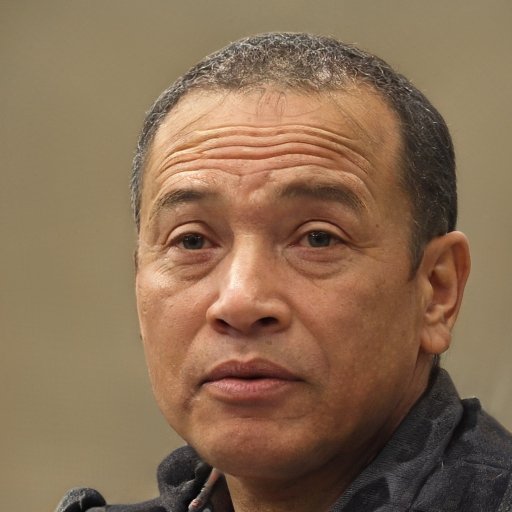
Charles Morris is a licensed Damage Restoration Expert with over 20 years of dedicated experience in property recovery and disaster mitigation. As a seasoned industry veteran, Charles has spent two decades mastering the technical nuances of structural drying and environmental safety, providing homeowners with the expert guidance and authoritative leadership needed to navigate complex restoration challenges.
𝗖𝗲𝗿𝘁𝗶𝗳𝗶𝗰𝗮𝘁𝗶𝗼𝗻𝘀: Charles is master-certified by the IICRC in Water Damage Restoration (WRT), Applied Structural Drying (ASD), Mold Remediation (AMRT), Fire and Smoke Restoration (FSRT), and Odor Control (OCT).
𝗙𝗮𝘃𝗼𝗿𝗶𝘁𝗲 𝗣𝗮𝘀𝘁𝗶𝗺𝗲: When off the clock, Charles is an avid mountain biker and a student of historical architecture, finding inspiration in the endurance of well-built structures.
𝗕𝗲𝘀𝘁 𝗣𝗮𝗿𝘁 𝗼𝗳 𝘁𝗵𝗲 𝗷𝗼𝗯: He finds the most fulfillment in providing a calm, steady hand during a crisis, ensuring families can return to a home that is once again safe, dry, and healthy.


