Bothell, WA · King County
Hospital Damage Restoration in Bothell, WAHospital Biohazard Cleanup & Hospital Fire Damage Restoration
Hospital water damage cleanup, hospital sewage backup cleanup and hospital mold remediation are core Hospital Damage Restoration needs in Bothell.
Answered 24/7
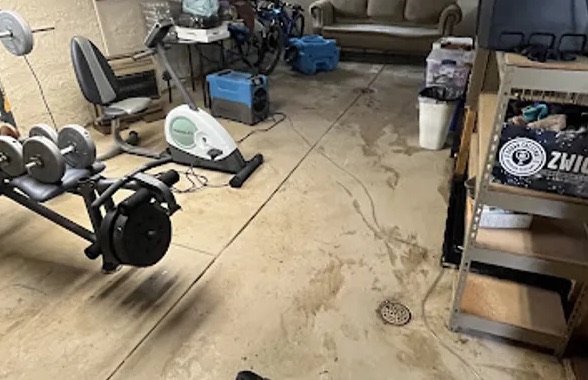
Hospital Damage Restoration: Around-the-Clock Help for Bothell Medical Facilities
When a hospital in Bothell, suffers damage, the priority is to restore a safe, functional environment without delay. Water damage can warp floors and walls, while fire damage leaves soot and odors, both creating obstacles to normal medical operations and patient admissions.
Hospital property restoration in Bothell, addresses complex systems and strict hygiene requirements. Local hospital emergency cleanup pros clean up water, sewage and mold so facilities can fully reopen. They also work in nearby places like North Creek, Kenmore and Woodinville. Their process emphasizes containment and drying.
Specialized Hospital Damage Restoration in Bothell, Washington
Hospital Biohazard Cleanup
Cleaning up a biohazard spill in a hospital involves applying hospital-grade disinfectants and using proper containment methods. The area is thoroughly cleaned and verified safe for reuse.
Hospital Fire Damage Restoration
Restoring a hospital after fire damage involves cleaning surfaces and addressing smoke odors. Air scrubbing equipment runs to improve air quality. The work meets facility standards.
Hospital Water Damage Cleanup
Hospital water damage cleanup following a leak or flood involves extracting standing water and drying structural materials. The pros in Bothell respond 24/7 to mitigate these incidents.
Hospital Mold Remediation
Hospital mold remediation addresses mold on walls, ceilings, or within HVAC systems. Specialized cleaning protocols contain spores to protect other areas. It protects indoor air quality.
Hospital Emergency Water Extraction
When a hospital floods, water must come out right away. The service targets water in corridors, labs, and equipment rooms to mitigate electrical and slip hazards, utilizing powerful pumps and extractors.
When to Consider Hospital Damage Restoration for Your Bothell Facility
Discolored or Slow-Draining Water
Brown water from faucets or slow drains can indicate a major plumbing or sewer line issue. The specialists should be consulted.
Electrical Malfunctions After Flooding
Sparking outlets or tripped breakers in damp areas are dangerous. Hospital damage repair includes assessing and safely restoring electrical systems.
Biohazard Spills or Contamination
Spills involving blood or other bodily fluids require specialized decontamination. Hospital biohazard cleanup follows strict protocols for safety.
Ceiling Stains and Dripping Water
Brown water stains on ceilings or active dripping mean a leak from above that should be stopped and dried.
How Hospital Damage Restoration Works in Bothell
Step 1: Emergency Water Extraction
The pros begin with rapid water removal using truck-mounted extractors. This early work mitigates further saturation of building materials and contents.
Step 2: Structural Drying and Dehumidification
Industrial air movers and dehumidifiers are strategically placed to dry walls, floors, and subfloors. Readings continue until hidden moisture is gone.
Step 3: Content Cleaning and Sanitization
Affected furnishings, equipment, and porous materials are cleaned using IICRC-standard methods. Antimicrobial treatments are applied to sanitize surfaces and protect hospital indoor air quality.
Step 4: Final Restoration and Repair
The final phase involves repairing or replacing damaged drywall, flooring, and other structural elements. The facility is returned to its pre-damage condition.
Common Causes of Water Damage in Bothell Hospital Facilities
Appliance Malfunctions and Overflows
Failures in water heaters, ice machines, or laundry equipment can release large volumes of water, triggering hospital emergency water extraction.
Groundwater Infiltration and Flooding
Surface runoff can seep through foundations and flood lower levels and basements.
Biohazard Spills From Medical Procedures
Spills of blood, chemicals or other regulated waste in labs or patient areas need professional biohazard cleanup.
Burst Pipes and Plumbing Failures
High water pressure or corrosion can make pipes burst inside walls and ceilings, flooding hospital rooms.
Healthcare Hospital Damage Restoration Services in Bothell
Hospital Damage Restoration for Homeowners
Storm damage to a residential roof can lead to attic water intrusion, damaging insulation and creating a pathway for leaks into living spaces. Hospital storm damage repair involves securing the roof and addressing all related interior water damage.
Hospital Damage Restoration for Owners and Facility Managers
For industrial facilities, a major water leak can damage machinery, electrical systems, and raw materials, causing significant financial loss. Restoration dries building systems to prevent corrosion.
Professional Hospital Damage Restoration or DIY in Bothell?
Increasing ventilation by opening windows and using fans can help reduce humidity after a minor leak. It is only temporary and does not reach moisture in walls or under floors. For proper drying to prevent mold, the experts use industrial air movers and dehumidifiers.
Considering the Cost of Hospital Damage Restoration in Bothell, Washington
Pricing for hospital damage restoration in Bothell, North Creek, Kenmore and Woodinville factors in advanced drying equipment, air quality restoration needs, and specialized labor for biohazard handling or sensitive medical equipment.
Scope of Damage
The overall square footage impacted and the number of hospital departments affected directly influence the project cost.
Containment Requirements
Barriers that keep contaminated areas away from sterile zones add labor and material costs.
Air Quality Testing
Post-remediation verification of indoor air quality standards adds a final step and associated cost to the process.
Does Insurance Cover Hospital Damage Restoration?
For hospital fire damage restoration, typical property policies often cover soot cleanup and structural repairs from a covered peril. The pros document the damage, but coverage is always determined by the insurance provider.
Benefits of Local Hospital Emergency Cleanup Pros for Bothell Hospital Restoration
Industrial Drying Equipment
High-capacity air movers and dehumidifiers are used to achieve rapid drying and prevent mold in walls.
24/7 Emergency Response
Fast action limits damage to building systems and to sensitive medical equipment.
Advanced Containment Strategies
Barriers are set up to prevent cross-contamination with sterile areas of the hospital.
24/7 Emergency Hospital Damage Restoration in Bothell, WA
To stop active water damage or soot spread in hospital wings and protect sensitive medical areas, make the emergency call to (425) 600-5879 without delay. Fast action prevents mold and further structural damage.
Call Now (425) 600-5879Hospital Damage Restoration for Bothell and Surrounding Communities
The pros provide hospital damage restoration for hospitals and medical centers throughout Bothell in King County and nearby communities including North Creek, Kenmore and Woodinville.
Frequently Asked Questions About Hospital Damage Restoration
What does hospital storm damage restoration include?
It covers wind and water repairs to the building, plus water extraction and drying of the interior spaces.
What defines hospital biohazard cleanup?
This involves the safe, regulated removal and disposal of biological contaminants, followed by thorough disinfection of the area to meet hospital hygiene standards.
What happens to damaged materials during hospital restoration?
Non-salvageable items, especially porous materials like drywall or insulation, are carefully removed and disposed of according to local regulations for waste.
How quickly should hospital water damage be addressed?
Starting within 24 hours limits damage, controls cost and prevents mold in wall cavities.
What are the steps for hospital fire damage restoration?
Steps include soot and odor removal from all surfaces, cleaning of HVAC systems, and repair of structural elements affected by heat, smoke, or water used for firefighting.