Trusted by 180+ Homeowners
HVAC Leak Water Removal in Monroe, WA
- Over 182 5-Star Reviews
- Free Estimates and Quotes
- 100% Satisfaction Guaranteed
- Child, Family & Pet Safe Steps
- 24-Hour Emergency Service
- Fully Licensed & Insured

HVAC Leak Water Removal in Monroe, WA: We’ve Got You Covered
We’ve seen our fair share of HVAC leak water removal jobs in the area, from cozy homes in downtown Monroe to larger properties in the surrounding neighborhoods. Our team of experienced technicians has handled everything from minor drips to major floods, and we’ve got the expertise to get your home back to normal quickly and efficiently. We know how stressful this situation can be, and that’s why we’re committed to making the process as smooth as possible for you.
Our customers rave about our services, with over 165 five-star reviews from satisfied homeowners who’ve trusted us to handle their HVAC leak water removal needs. We’re proud of our reputation in the community, and we’re confident that you’ll be impressed with our professionalism and attention to detail.
- We’ll get your home dry and safe in no time, using the latest equipment and techniques to reduce disruption to your daily life.
- We’ll work closely with your insurance company to ensure a smooth claims process and get you the coverage you need.
- We’ll provide you with a detailed report of the work we’ve done, so you can see exactly what we’ve accomplished.
How We Handle HVAC Leak Water Removal
Our process is designed to get your home back to normal as quickly as possible, while also ensuring that the job is done right. We’ll start by assessing the damage and determining the best course of action. From there, we’ll use our specialized equipment to extract the water and dry out the affected area.
Step 1: Assessment and Planning
We’ll start by assessing the damage and determining the best course of action. Our technicians will use specialized equipment to identify the source of the leak and find out the extent of the damage. This step is crucial in ensuring that we address the root cause of the problem and prevent further damage.
Step 2: Water Extraction
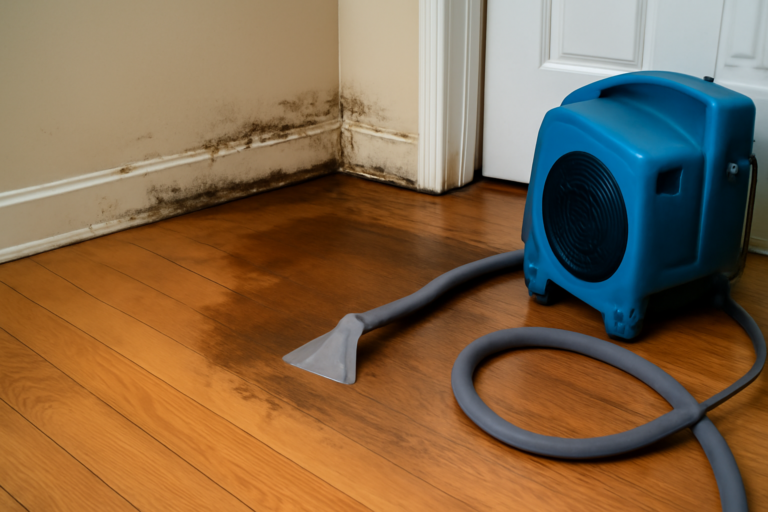
Next, we’ll use our powerful pumps and vacuums to extract the water from your home. We’ll work quickly and efficiently to reduce disruption to your daily life, and we’ll make sure to remove every last drop of water to prevent further damage.
Step 3: Drying and Dehumidification
Once the water has been extracted, we’ll use our specialized drying equipment to dry out the affected area. We’ll also use dehumidifiers to remove excess moisture from the air and prevent further damage.
Step 4: Cleaning and Sanitizing
Finally, we’ll clean and sanitize the affected area to prevent the growth of mold and mildew. We’ll use specialized cleaning solutions and equipment to ensure that your home is safe and healthy.
Don’t let an HVAC leak water removal job stress you out. Our team is here to help, and we’ll work closely with you to ensure that the process is as smooth as possible. Contact us today to schedule your appointment and let us take care of the rest.

Warning Signs You Need HVAC Leak Water Removal
Catching the signs of an HVAC leak water removal problem early can save you money and prevent bigger issues down the line. Here are some common warning signs to look out for:
Musty Odors That Won’t Go Away
If you notice a musty or mildewy smell in your home that won’t go away, it could be a sign of an HVAC leak water removal problem. Don’t ignore it, address the issue before it gets worse.
Water Stains on Your Ceiling
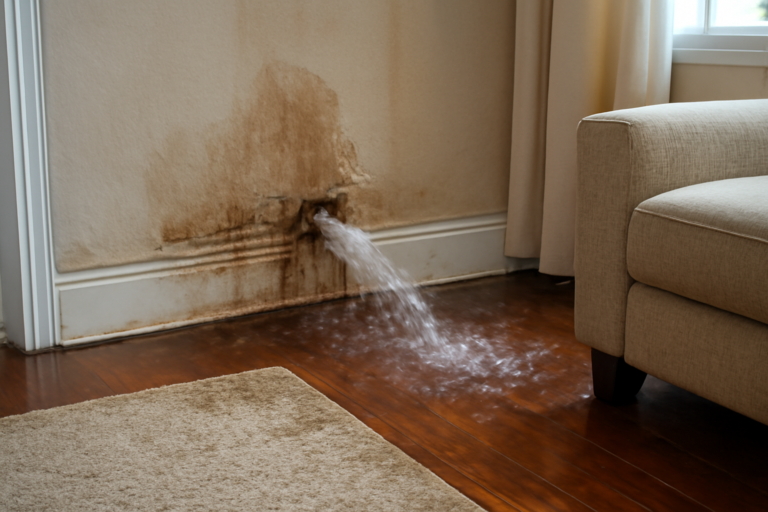
If you notice water stains on your ceiling, it’s a clear sign that you’ve got an HVAC leak water removal problem on your hands. Don’t wait, call us today to schedule your appointment.
Warped or Buckled Flooring
If your flooring is warped or buckled, it could be a sign that water has seeped into your home and caused damage. Don’t delay, call us today to schedule your appointment.
Unusual Noises from Your HVAC System
If you notice unusual noises from your HVAC system, it could be a sign that something is amiss. Don’t ignore it, address the issue before it gets worse.
High Utility Bills
If your utility bills are higher than usual, it could be a sign that your HVAC system is working overtime to compensate for a leak. Don’t ignore it, call us today to schedule your appointment.
HVAC Leak Water Removal vs. DIY: When To Call a Professional
| Situation | DIY? | Call a Pro? | Why |
|---|---|---|---|
| Minor leak, less than 1 gallon per hour | Yes | No | You can likely fix the leak yourself with a DIY repair kit. |
| Major leak, more than 5 gallons per hour | No | Yes | You’ll need professional equipment and expertise to handle the situation. |
| Water damage to sensitive electronics or valuables | No | Yes | Professional technicians will have the equipment and expertise to safely dry and restore your belongings. |
| Leak is causing structural damage to your home | No | Yes | Professional technicians will have the equipment and expertise to safely repair and restore your home’s structure. |
| Leak is causing health and safety risks (e.g. Mold, mildew) | No | Yes | Professional technicians will have the equipment and expertise to safely remove and remediate any health and safety risks. |
| Leak is causing significant disruption to your daily life | No | Yes | Professional technicians will have the equipment and expertise to quickly and efficiently resolve the issue and get your life back to normal. |
Don’t try to handle an HVAC leak water removal problem on your own, call a professional to ensure the job is done right and safely. Our team is here to help, and we’ll work closely with you to ensure that the process is as smooth as possible.
HVAC Leak Water Removal Cost in Monroe, WA
The cost of HVAC leak water removal in Monroe, WA will depend on the severity of the problem, the size of the affected area, and local conditions. Here are some estimated price ranges for common sub-services:
| Service | Typical Price Range | What Affects Cost |
|---|---|---|
| Water extraction | $500 – $2,500 | Size of affected area, number of pumps and vacuums needed |
| Drying and dehumidification | $1,000 – $5,000 | Size of affected area, number of dehumidifiers needed |
| Cleaning and sanitizing | $500 – $2,000 | Size of affected area, type of cleaning solutions needed |
| Structural repair | $2,000 – $10,000 | Size of affected area, type of repairs needed |
| Remediation (mold, mildew) | $1,000 – $5,000 | Size of affected area, type of remediation needed |
| Disinfection and deodorization | $500 – $2,000 | Size of affected area, type of disinfection and deodorization needed |
Exact pricing will depend on an on-site assessment and free estimates are available. Contact us today to schedule your appointment and let us take care of the rest.
Service Areas Near Monroe, WA
We serve the following communities near Monroe, WA:
Monroe, WA, Snohomish, WA, Bothell, WA, Woodinville, WA, Mill Creek, WA, Lake Stevens, WA, Everett, WA, Mukilteo, WA, Lynnwood, WA, Edmonds, WA, Mountlake Terrace, WA, Brier, WA, Shoreline, WA, Kenmore, WA, Kirkland, WA, Bellevue, WA, Redmond, WA, Issaquah, WA, Sammamish, WA, Renton, WA, Tukwila, WA, SeaTac, WA, Des Moines, WA, Federal Way, WA, Auburn, WA, Pacific, WA, Fife, WA, Puyallup, WA, Sumner, WA, Orting, WA, Bonney Lake, WA, Enumclaw, WA, Black Diamond, WA, Maple Valley, WA, Covington, WA, Kent, WA, Tacoma, WA.
Common Questions About HVAC Leak Water Removal
Q: What is the average cost of HVAC leak water removal?
A: The average cost of HVAC leak water removal will depend on the severity of the problem, the size of the affected area, and local conditions. But, you can expect to pay anywhere from $500 to $10,000 or more, depending on the extent of the damage.
Q: How long does it take to complete an HVAC leak water removal job?
A: The length of time it takes to complete an HVAC leak water removal job will depend on the severity of the problem and the size of the affected area. But, you can expect the job to take anywhere from a few hours to several days to complete.
Q: Is it safe to try to handle an HVAC leak water removal problem on my own?
A: No, it is not safe to try to handle an HVAC leak water removal problem on your own. This type of problem can pose serious health and safety risks, including the growth of mold and mildew, electrical shock, and structural damage to your home. It is always best to call a professional to ensure the job is done safely and correctly.
Q: What is the best way to prevent HVAC leak water removal problems?
A: The best way to prevent HVAC leak water removal problems is to schedule regular maintenance for your HVAC system. This includes cleaning and inspecting the system, checking for leaks, and replacing worn or damaged parts. You should also keep an eye out for signs of a leak, such as water stains on your ceiling or walls, and address the issue quickly if you notice any problems.
Q: Will my insurance cover the cost of HVAC leak water removal?
A: It depends on your insurance policy. Some policies may cover the cost of HVAC leak water removal, while others may not. It is best to check with your insurance provider to see what is covered and what is not.
Check Our Other Relevant Services
Charles Morris is a licensed Damage Restoration Expert with over 20 years of dedicated experience in property recovery and disaster mitigation. As a seasoned industry veteran, Charles has spent two decades mastering the technical nuances of structural drying and environmental safety, providing homeowners with the expert guidance and authoritative leadership needed to navigate complex restoration challenges.
𝗖𝗲𝗿𝘁𝗶𝗳𝗶𝗰𝗮𝘁𝗶𝗼𝗻𝘀: Charles is master-certified by the IICRC in Water Damage Restoration (WRT), Applied Structural Drying (ASD), Mold Remediation (AMRT), Fire and Smoke Restoration (FSRT), and Odor Control (OCT).
𝗙𝗮𝘃𝗼𝗿𝗶𝘁𝗲 𝗣𝗮𝘀𝘁𝗶𝗺𝗲: When off the clock, Charles is an avid mountain biker and a student of historical architecture, finding inspiration in the endurance of well-built structures.
𝗕𝗲𝘀𝘁 𝗣𝗮𝗿𝘁 𝗼𝗳 𝘁𝗵𝗲 𝗷𝗼𝗯: He finds the most fulfillment in providing a calm, steady hand during a crisis, ensuring families can return to a home that is once again safe, dry, and healthy.