Tacoma, WA · Pierce County
Septic Tank Backup Water Removal in Tacoma, WAEmergency Septic Backup Response & Septic Backup Flood Water Removal
Septic Tank Backup Water Removal in Tacoma requires immediate septic tank backup water extraction, septic backup sewage cleanup, and septic system water damage repair by local septic overflow cleanup specialists.
Answered 24/7
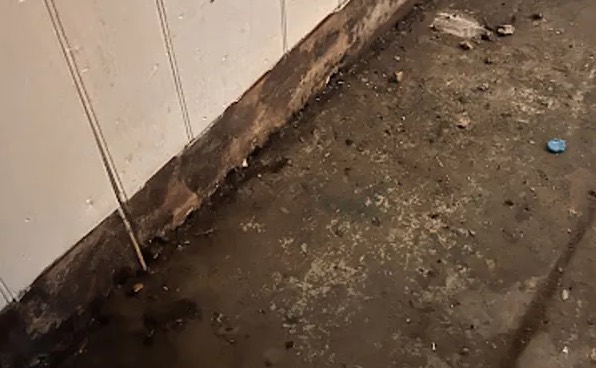
Local Septic Tank Backup Water Removal Solutions in Tacoma
Septic tank backup water removal in Tacoma is essential because untreated sewage overflow can rapidly compromise a home's structural integrity and air quality. Contaminated water seeps into materials, requiring immediate extraction to limit damage.
Septic tank backup water removal services in Tacoma are vital for homes that rely on septic systems, which can fail due to blockages or heavy use. Properties in nearby areas like Fife, Fircrest and University Place also face similar risks from septic overflows.
Septic Tank Backup Water Removal Services in Tacoma
Emergency Septic Backup Response
The fast emergency response from septic overflow cleanup specialists aims to contain the health hazard and limit secondary damage like mold growth. Initial actions focus on securing the area and removing the sewage water.
Septic Backup Flood Water Removal
The specialists respond 24/7 with industrial-grade equipment for septic backup water extraction. Removing the flood water stabilizes the property.
Septic Tank Backup Water Extraction
Industrial vacuums are deployed by the experts to handle the contaminated water from a septic tank failure. Prompt removal is the critical first step in the restoration protocol.
Septic System Water Damage Repair
Repair work addresses structural components like floor joists or wall studs compromised by contaminated water. Repairs follow once the area is clean and dry.
Septic Backup Sewage Cleanup
Local sewage cleanup for a septic backup involves extracting black water and cleaning hard surfaces. The specialists in Tacoma follow established safety protocols to handle the hazardous organic matter.
Symptoms Requiring Septic Tank Backup Water Removal
Drains Back Up After Heavy Rain
Drains that back up after storms often mean the drain field is saturated and the tank cannot drain.
Sewage Visible in Cleanout Pipe
If you check the main sewer cleanout and find standing wastewater, your septic system overflow water removal must be addressed immediately by the specialists.
Wet Spots or Soggy Ground Outside
Damp, lush or spongy patches in the yard near the septic tank can mean the tank is backing up.
Gurgling Sounds From Plumbing Vents
Bubbling or gurgling noises from roof vents or inside drains often precede visible septic tank flooding. Air is trapped by a blockage in the line.
How Septic Tank Backup Water Removal Works in Tacoma
Step 1: Rapid Septic Backup Response
The specialists start with an emergency response and a first look at how far the sewage spread.
Step 2: Contaminated Water Removal
Extraction equipment removes the sewage and contaminated water before it spreads further.
Step 3: Sewage Cleanup and Sanitizing
Surfaces are disinfected and deodorized so no bacteria or smell is left behind.
Step 4: Damage Documentation and Repair
The damage is documented for your insurance claim, and repairs restore the affected rooms.
Frequent Sources of Septic System Water Damage
Broken or Misaligned Sewer Pipes
Settling soil, age or pressure can break the main line from the house to the tank.
Full or Failing Septic Tank
A tank at capacity cannot accept new wastewater, causing immediate backups into your home. Regular pumping prevents this common septic tank backup cause.
Excessive Water Usage Overloading System
Too much water entering the tank at once can overwhelm it and send sewage back into the home.
Old Age and General System Deterioration
Corroded pipes, cracked tanks and failed seals eventually let sewage back into the home.
All-Property Septic Tank Backup Water Removal in Tacoma
Residential Septic Tank Backup Water Removal
A septic backup in a home can soak subfloors, cabinets and belongings. The pros extract the sewage, remove what cannot be cleaned, disinfect and dry, and document the damage for your claim.
Commercial Septic Tank Backup Water Removal
Offices and multi-tenant buildings on septic systems need backups cleaned up with little disruption. The pros contain the area, extract the sewage and run air scrubbers for odor.
Handling a Septic Backup: DIY Risks in Tacoma
You can safely identify and note the location of wet spots in your yard for the professionals. Avoid driving or walking over the suspected drain field area.
Cost Considerations for Septic Tank Backup Water Removal in Tacoma
The price depends on how severe the septic water damage is and how much material must be removed.
Decontamination Procedures
Thorough septic overflow decontamination involves specialized antimicrobial agents and cleaning processes, which contribute to the overall material and labor costs.
Damage Documentation
Detailed septic water damage documentation for insurance purposes involves time for photos, moisture mapping, and report preparation by the specialists.
Emergency Response Timing
A septic backup emergency service call during nights, weekends, or holidays may involve different service rates due to the immediate mobilization required.
Does Insurance Cover Septic Tank Backup Water Removal?
Your insurer decides coverage, often based on what caused the septic failure. The specialists document the damage with photos and reports for your claim.
Why Choose Local Septic Overflow Cleanup Specialists for Septic Tank Backup Water Removal in Tacoma
Detailed Damage Documentation
Photos, moisture readings, and detailed notes are compiled for your septic water damage documentation to support insurance communications.
Advanced Water Extraction
Powerful pumps and truck-mounted units are used for rapid septic tank water extraction, removing the bulk of the contaminated liquid quickly.
IICRC-Standard Decontamination
Septic overflow decontamination follows industry protocols to neutralize harmful pathogens and bacteria, making the affected area safe again.
24/7 Emergency Septic Tank Backup Water Removal in Tacoma
A septic tank backup is a serious health hazard and needs fast cleanup. For an emergency response in Tacoma, contact the specialists at (425) 600-5879 any time, day or night.
Call Now (425) 600-5879Septic Tank Backup Water Removal Available Around Tacoma
A septic backup can happen in any home on a septic system in Tacoma. Help is available here and in nearby communities like Fife, Fircrest and University Place.
- Septic Tank Backup Water Removal in Fife
- Septic Tank Backup Water Removal in Fircrest
- Septic Tank Backup Water Removal in University Place
- Septic Tank Backup Water Removal in Milton
- Septic Tank Backup Water Removal in Lakewood
- Septic Tank Backup Water Removal in Lakeland North
- Septic Tank Backup Water Removal in Steilacoom
- Septic Tank Backup Water Removal in Puyallup
- Emergency Damage Restoration in 98401
- Storm Damage Restoration in 98401
- Water Damage Restoration in 98401
- Water Extraction Service in 98401
- Water Leak Detection in 98401
- Water Removal Service in 98401
- Emergency Damage Restoration in 98402
- Storm Damage Restoration in 98402
Septic Tank Backup Water Removal FAQ for Tacoma
Why is septic water damage documentation important?
Photos and moisture readings create a record for your insurance claim that shows the extent of the loss.
What's included in emergency septic backup response?
The specialists contain the hazard, extract the septic water, assess the damage and start cleanup and drying.
How quickly should I call for septic backup sewage cleanup?
Right away. Sewage carries germs that can make people sick, and the longer it sits the more it soaks into floors and walls.
How long does septic tank overflow cleanup take?
The timeline varies with the severity. Simple extraction and cleaning may take a day, while jobs involving structural repairs and detailed decontamination can span several days.
What's the risk of untreated septic tank drain backup?
Untreated backups pose significant health risks from bacteria and viruses, cause permanent structural damage, and lead to pervasive mold infestations, greatly increasing repair costs later.