Issaquah, WA · King County
Sewage Water Removal in Issaquah, WASewage Damage Sanitization & Black Water Extraction Service
When you need sewage water removal in Issaquah, sewage damage sanitization, contaminated carpet removal, and sewage system clog clearing are critical.
Answered 24/7
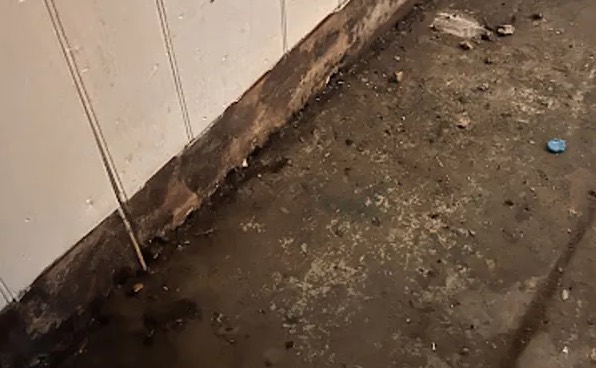
Immediate Sewage Water Removal for Issaquah Residents
Sewage affected drywall removal in Issaquah is common because drywall absorbs contaminated water, becoming a breeding ground for mold and bacteria.
For homes in Issaquah, sanitizing after black water removal kills the bacteria and viruses left on surfaces. Local pros also clear sewer clogs for properties in Klahanie, Newcastle and Fairwood to prevent repeat backups.
The Sewage Water Removal Process in Issaquah
Sewage Damage Sanitization
Sanitization is core to restoring a property after sewage damage. It involves cleaning and treating the affected zone with professional-grade biocides.
Black Water Extraction Service
All standing sewage is removed, then moisture meters find water that soaked into subfloors and walls and still needs drying.
Contaminated Carpet Removal
Porous flooring like carpet cannot be effectively sanitized after black water contact. Contaminated carpet removal is standard in sewage damage restoration.
Sewage Contaminated Drywall Removal
Leaving sewage-affected drywall creates a long-term health hazard from trapped bacteria and mold. Professional removal follows a precise process to minimize dust and cross-contamination.
Sewage Odor Neutralization
Air fresheners only mask sewage odor. After extraction, pros use hydroxyl generators that break down the odor molecules so the space is livable again.
When to Call for Sewage Water Removal in Issaquah
Strong Sewage Odor Inside
Persistent foul smells suggest sewage contamination that has spread beyond visible areas, needing odor neutralization.
Gurgling Plumbing Sounds
Banging or gurgling pipes often come before a full sewage backup. Treat the noise as an early warning.
Slow Drains Throughout Home
Multiple slow drains point to a widespread sewer line issue, a key sign of pending sewage water damage.
Black Water in Toilets
Toilets overflowing with unsanitary black water signal a main line clog, a serious sewage spill requiring containment.
How Sewage Water Removal Works in Issaquah
Step 1: Hazardous Sewage Containment
The first action is to create a physical barrier around the sewage spill. This containment prevents pathogens from spreading to other rooms during the sewage backup cleanup.
Step 2: Professional Sewage Extraction
Submersible pumps and extractors remove the black water, including what has seeped into cracks and under flooring.
Step 3: Antimicrobial Treatment and Disposal
All surfaces receive a hospital-grade disinfectant application for sewage sanitization. Irreparably damaged materials are bagged and tagged for proper hazardous waste disposal.
Step 4: Air Purification and Moisture Control
Air scrubbers with HEPA filters clean airborne contaminants. Concurrently, industrial drying equipment controls humidity, finalizing the emergency sewage cleanup process.
What Causes Sewage Damage in Issaquah
Septic Tank Backup or Failure
A full, damaged, or malfunctioning septic system can force raw sewage back into the home's plumbing fixtures.
Vandalism or Accidental Damage
A pipe struck during digging or deliberate tampering can break a sewer line and send waste into the property.
Ground Shifting or Settlement
Shifting soil can crack or misalign sewer pipes, letting sewage leak into the ground and the home.
Severe Clogs in Branch Lines
A clog in the pipe serving one toilet or shower can cause a sewage spill in that room alone.
Residential and Commercial Sewage Water Removal in Issaquah
Residential Sewage Water Removal
A home sewage emergency demands a fast 24/7 response. Sewage removal pros prioritize safety, setting up containment for sewage backup cleanup.
Commercial Sewage Water Removal
Commercial sewage emergencies require immediate spill containment to protect customers and employees. Sewage water extraction experts respond 24/7 to begin black water extraction service and initial disinfection, helping to secure the site and prevent further contamination.
Why DIY Sewage Removal Fails in Issaquah
If sewage has lightly splashed onto non-porous surfaces like vinyl flooring, you can pre-clean with a detergent and hot water solution while wearing full protection. Rinse thoroughly. This is only for surface splashes.
Estimating Your Sewage Water Removal Expense in Issaquah
In Issaquah, sewage damage costs rise with after-hours response, hard-to-reach areas and the equipment needed to extract and sanitize.
Affected Square Footage
The total area covered by sewage dictates the scale of extraction, drying, and disinfection efforts required for complete sewage damage repair.
Required Drying Time
The duration for structural drying after sewage water extraction depends on material saturation levels and ambient humidity in the space.
Source of Contamination
A main sewer line backup involves more hazardous black water and wider contamination than an isolated toilet overflow, impacting safety protocols and cleanup scope.
Does Insurance Cover Sewage Water Removal?
Insurance coverage for sewage backup cleanup is not universal and hinges on your policy's inclusions, often requiring a specific rider. The pros provide a detailed damage assessment and scope of work to support your claim.
Why Choose Local Sewage Removal Pros for Sewage Water Removal in Issaquah
Black Water Extraction Focus
Specialized pumps and extractors remove Category 3 contaminated water swiftly, the critical first step in any sewage cleanup process.
Detailed Damage Documentation
Systematic photo and data logging creates a clear record for your reference and any potential insurance claim review.
Porous Material Removal
Recognizing when carpet, drywall, or insulation cannot be salvaged and must be removed and bagged for safe, proper disposal.
Immediate Emergency Sewage Removal in Issaquah
A clogged sewer can cause a sudden backup. If sewage is in your home, call (425) 600-5879 for emergency cleanup and water extraction.
Call Now (425) 600-5879Sewage Water Removal Serving Issaquah, Klahanie, Newcastle and Fairwood
Addressing sewage system clogs and resulting floods is a key service for Issaquah. The pros here also assist in areas like Klahanie, Newcastle and Fairwood, performing black water extraction service and subsequent repairs to affected structures.
- Sewage Water Removal in Klahanie
- Sewage Water Removal in Newcastle
- Sewage Water Removal in Fairwood
- Sewage Water Removal in Renton
- Sewage Water Removal in Bellevue
- Sewage Water Removal in Union Hill
- Sewage Water Removal in Snoqualmie
- Sewage Water Removal in Maple Valley
- Emergency Damage Restoration in 98027
- Storm Damage Restoration in 98027
- Water Damage Restoration in 98027
- Water Extraction Service in 98027
- Water Leak Detection in 98027
- Water Removal Service in 98027
- Emergency Damage Restoration in 98029
- Storm Damage Restoration in 98029
Sewage Water Removal FAQs
What is involved in sewage backup cleanup?
The process starts with extracting the black water, then contains the spill, removes contaminated porous materials, sanitizes all surfaces with antimicrobials, and thoroughly dries the structure to prevent mold.
Are homes safe during sewage cleanup work?
Pros establish containment and use safety gear to minimize risk. Occupants should avoid the work area entirely until the pros complete sanitization and deem it safe.
How is the area prepared for sewage odor removal?
After physical cleanup, the area is sealed, and specialized equipment like hydroxyl generators or ozone machines may be used to break down odor molecules at a chemical level.
What tools are used for sewage extraction?
Truck-mounted or portable extractors and pumps remove the black water. Air movers, dehumidifiers and moisture meters handle the drying.
What does sewage damage sanitization entail?
Sanitization after sewage exposure involves applying EPA-registered antimicrobial disinfectants to all affected hard surfaces, and sometimes fogging the air, to kill bacteria, viruses, and fungi from the contamination.