Kent, WA · King County
Sewage Water Removal in Kent, WASewage Odor Neutralization & Sewage Spill Containment
Reliable Sewage Water Removal in Kent ensures sewage backup cleanup, sewage spill containment, and sewage odor neutralization.
Answered 24/7
Professional Sewage Water Removal in Kent, WA
Containing a sewage spill in Kent keeps contamination from spreading to clean rooms. Local sewage water extraction experts close off the area before cleanup.
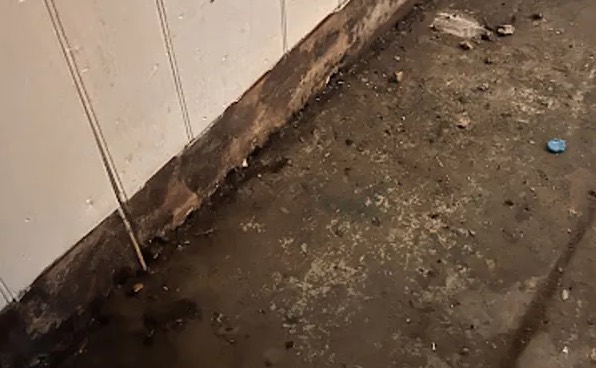
Sewage damage in Kent often means cutting out wet drywall and pulling up carpet. Local restoration pros extract and decontaminate here and in Des Moines, Lakeland North and Lea Hill.
Comprehensive Sewage Water Removal Solutions for Kent
Sewage Odor Neutralization
Air fresheners only mask sewage odor. After extraction, pros use hydroxyl generators that break down the odor molecules so the space is livable again.
Sewage Spill Containment
Containing a sewage spill protects unaffected areas from cross-contamination. Professionals secure the site before beginning sewage water extraction and cleaning.
Black Water Extraction Service
Black water presents extreme health hazards. Full protective gear and dedicated equipment are used for contaminated fluid removal.
Sewage System Clog Clearing
Sewage System Clog Clearing targets the interior blockage source. Clearing the obstruction permits effective sewage extraction. For major line problems in Kent, a specialized plumber might be necessary.
Sewage Damage Sanitization
After sewage water extraction, thorough sanitization is required for safe re-occupancy. Professionals use hospital-grade disinfectants on floors, walls, and salvageable contents.
Signs of a Sewage Backup in Kent
Discolored Carpet or Flooring
Stains or damp spots in carpet near a drain may come from a hidden sewage backup. Contaminated carpet usually has to be removed.
Visible Sewage in Basement
Any visible sewage on a lower level is a health hazard. Keep people and pets away until the black water is extracted.
Damp Drywall Near Plumbing
Soft, stained, or bubbling drywall near pipes often hides sewage contamination, needing sewage affected drywall removal.
Strong Sewage Odor Inside
Persistent foul smells suggest sewage contamination that has spread beyond visible areas, needing odor neutralization.
How Sewage Water Removal Works in Kent
Step 1: Hazardous Sewage Containment
The first action is to create a physical barrier around the sewage spill. This containment prevents pathogens from spreading to other rooms during the sewage backup cleanup.
Step 2: Professional Sewage Extraction
Submersible pumps and extractors remove the black water, including what has seeped into cracks and under flooring.
Step 3: Antimicrobial Treatment and Disposal
All surfaces receive a hospital-grade disinfectant application for sewage sanitization. Irreparably damaged materials are bagged and tagged for proper hazardous waste disposal.
Step 4: Air Purification and Moisture Control
Air scrubbers with HEPA filters clean airborne contaminants. Concurrently, industrial drying equipment controls humidity, finalizing the emergency sewage cleanup process.
Typical Reasons for Sewage Problems in Kent
Improperly Installed Plumbing
Incorrect slopes or faulty connections in drain lines create recurring clogs and frequent sewage backup issues.
Flushing Non-Flushable Items
Wipes, hygiene products and paper towels clump together in the pipes and form blockages that push sewage back into the home.
Severe Clogs in Branch Lines
A clog in the pipe serving one toilet or shower can cause a sewage spill in that room alone.
Sump Pump Failure or Overflow
A failed sump pump or heavy inflow can flood a basement with contaminated water.
House and Business Sewage Water Removal in Kent
Residential Sewage Water Removal
Home sewage backups often affect personal belongings and hidden spaces. The pros in Kent handle sewage spill containment and detailed cleaning of affected areas.
Commercial Sewage Water Removal
Sewage in a commercial building puts inventory and equipment at risk. Pros extract it fast, salvage what they can and document the loss for the owner's insurer.
Sewage Water Removal vs. DIY: When to Call Sewage Damage Restoration Pros
For a very small spill on a hard floor, wear gloves and a mask, blot it with disposable towels and bag the waste. Do not use a household vacuum.
Factors Affecting Sewage Water Removal Pricing in Kent
In Kent, sewage cleanup price depends on whether the backup came from the main line or an inside drain, how many square feet were affected, and whether drywall or carpet must be removed.
Affected Square Footage
The total area covered by sewage dictates the scale of extraction, drying, and disinfection efforts required for complete sewage damage repair.
Emergency Response Timing
A 24/7 emergency sewage cleanup call, especially after hours, typically involves a faster response for immediate containment.
Sanitization Protocol Depth
The level of sewage damage sanitization needed, from surface cleaning to fogging and antimicrobial coating, affects both time and material use.
Does Insurance Cover Sewage Water Removal?
Whether insurance covers sewage water removal depends entirely on your policy's specific terms and the covered peril that caused the backup. The pros document all damage with photos and moisture readings for your claim submission.
Why Choose Local Sewage Damage Restoration Pros for Sewage Water Removal in Kent
Safety-Centered Approach
Utilizing personal protective equipment and establishing work zones to protect occupants and pros from hazardous sewage pathogens.
Detailed Damage Documentation
Systematic photo and data logging creates a clear record for your reference and any potential insurance claim review.
IICRC-Standard Sanitization
Procedures follow industry guidelines for disinfecting surfaces after sewage exposure, addressing health risks from contamination with appropriate antimicrobial agents.
Urgent Sewage Water Removal Response for Kent
When a toilet overflows or a drain backs up with sewage, time is critical. Initiate emergency sewage cleanup in Kent by dialing (425) 600-5879.
Call Now (425) 600-5879Sewage Water Removal Serving Kent, Des Moines, Lakeland North and Lea Hill
Addressing sewage system clogs and resulting floods is a key service for Kent. The pros here also assist in areas like Des Moines, Lakeland North and Lea Hill, performing black water extraction service and subsequent repairs to affected structures.
- Sewage Water Removal in Des Moines
- Sewage Water Removal in Lakeland North
- Sewage Water Removal in Lea Hill
- Sewage Water Removal in SeaTac
- Sewage Water Removal in Auburn
- Sewage Water Removal in Federal Way
- Sewage Water Removal in Covington
- Sewage Water Removal in Fairwood
- Emergency Damage Restoration in 98030
- Storm Damage Restoration in 98030
- Water Damage Restoration in 98030
- Water Extraction Service in 98030
- Water Leak Detection in 98030
- Water Removal Service in 98030
- Emergency Damage Restoration in 98031
- Storm Damage Restoration in 98031
Frequently Asked Sewage Water Removal Questions
What tools are used for sewage extraction?
Truck-mounted or portable extractors and pumps remove the black water. Air movers, dehumidifiers and moisture meters handle the drying.
How quickly should sewage spill containment begin?
Containment should start immediately to prevent cross-contamination. Sewage spreads quickly, so rapid setup of barriers by pros limits the affected area and reduces overall damage and risk.
What documentation is provided after sewage sanitization?
Pros provide documentation including photos of the damage and restoration, moisture logs proving dryness, and details of the antimicrobials applied, useful for your records or insurance.
How is the area prepared for sewage odor removal?
After physical cleanup, the area is sealed, and specialized equipment like hydroxyl generators or ozone machines may be used to break down odor molecules at a chemical level.
What causes a sewage system clog needing clearing?
Clogs are often from flushed non-dissolvable items, grease buildup, tree root intrusion, or collapsed pipes. Clearing identifies the blockage location and safely removes it to restore flow.