University Place, WA · Pierce County
Sewer Backup Water Removal in University Place, WASewer Backup Drywall Removal & Sewer Line Backup Cleanup
Sewer Backup Water Removal in University Place includes sewer line backup cleanup, black water damage restoration, and sewer backup drywall removal.
Answered 24/7
Expert Sewer Backup Water Removal in University Place, Fircrest, Lakewood and Steilacoom
Sewer line backup cleanup focuses on the source of the intrusion, a key concern for properties in University Place. A blockage or break in the main sewer line can cause widespread flooding and contamination.
In University Place and nearby Fircrest, Lakewood and Steilacoom, moisture left after a sewer backup leads to mold and rot. Local water damage pros run industrial air movers and dehumidifiers until materials are dry.
The Sewer Backup Water Removal Process in University Place
Sewer Backup Drywall Removal
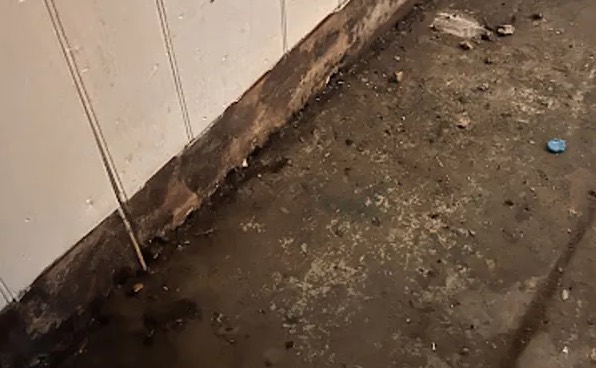
Drywall exposed to black water typically requires removal rather than drying. Experts assess the saturation level and contamination, then proceed with controlled demolition and proper disposal, a common step in University Place sewer backup restoration projects.
Sewer Line Backup Cleanup
When the backup starts at the main sewer connection, pros remove the sewage, clean the spaces and suggest ways to prevent the next one.
Sewage Backup Cleanup
Sewage backup cleanup involves removing contaminants and sanitizing affected surfaces. After extraction, local restoration pros in University Place clean all impacted materials using EPA-registered disinfectants to address the health risks posed by black water.
Emergency Sewer Water Extraction
Immediate sewer water extraction is the first critical step after a backup.
Contaminated Water Removal
Contaminated water removal specifically handles Category 3 black water from sewer lines or septic tanks. The pros are equipped to safely manage this hazardous material, preventing cross-contamination in other parts of your University Place property.
Warning Signs You Need Sewer Backup Water Removal
Slow Flushing or Overflow
Toilets that will not flush or keep overflowing are an early sign of a sewer line backup.
Sump Pump Failure With Sewage
A failed basement pump with sewer water rising is urgent. The water must come out and the space must be dried.
Health Symptoms After Flooding
Breathing problems or nausea after a flood can mean someone was exposed to sewage. Keep everyone out of the affected rooms.
Foul Sewer Odors Indoors
A rotten egg smell means sewer gas is escaping from a drain or broken pipe. The gas is a health hazard and often comes before a backup.
How Sewer Backup Water Removal Works in University Place
Step 1: Emergency Contaminated Water Removal
The first job is removing the sewage quickly and safely, before it soaks further.
Step 2: Debris and Damaged Content Removal
All debris and ruined personal property exposed to sewage are removed, a necessary step before drying and sewer backup restoration can begin.
Step 3: Advanced Drying and Dehumidification
High-capacity drying systems work to evaporate trapped moisture from the structure, preventing secondary damage after sewer water extraction.
Step 4: Final Cleaning and Deodorization
The last step involves deep cleaning and deodorizing all remaining surfaces, finalizing the sewage backup cleanup and making the space safe.
Sources of Sewer Backup Water Damage
Main Sewer Line Blockages
Tree roots, grease or flushed objects block the main line and force sewage back into the home through the lowest drains.
Municipal System Overloads
Heavy rain or system failures can overwhelm public sewers and push sewage back into homes.
Foundation Shifts or Settling
Ground movement can crack sewer pipes under a home and let wastewater leak out.
Sanitary Sewer Overflows (SSOs)
Failures at treatment plants or pump stations can send sewage back into connected homes.
Residential Sewer Backup Water Removal Services in University Place
Residential Sewer Backup Water Removal
Homeowners face unique challenges with sewer backups, like contaminated personal belongings and affected finished basements. The sewage damage restoration process includes careful content handling, wet drywall removal, and applying antimicrobial agents to make the home habitable again.
Commercial Sewer Backup Water Removal
In commercial settings, sewer backups often affect large mechanical rooms, restrooms, or storage areas. Black water removal must be swift to protect electrical systems and equipment.
Risks of DIY Sewer Backup Water Removal
While waiting for the pros, you can prevent use of all plumbing fixtures in the home to stop adding water to the system.
What Affects Sewer Backup Water Removal Cost in University Place
Estimating the cost of contaminated water cleanup in University Place involves assessing porous materials that must be discarded, the structural drying needed, and post-cleanup verification testing.
Contamination Level
Heavy sewage saturation in porous materials like drywall or insulation often requires removal rather than cleaning, adding to material replacement costs.
Emergency Response
A 24/7 emergency sewer cleanup call, especially during off-hours, involves mobilization costs for immediate water extraction and damage containment.
Structural Drying Time
The duration needed for professional drying to prevent mold depends on materials and humidity, affecting equipment rental and monitoring expenses.
Does Insurance Cover Sewer Backup Water Removal?
Insurance coverage for contaminated water cleanup is not universal and often requires a specific sewer backup endorsement. The role of the experts is to create a thorough damage report for your insurer.
Benefits of Local Water Damage Restoration Pros for Sewer Backup Water Removal
Antimicrobial Application
After extraction, affected surfaces are treated with EPA-registered antimicrobial agents to disinfect and inhibit mold.
Advanced Extraction Equipment
Powerful truck-mounted or portable extractors are used to remove large volumes of sewer water quickly from floors and carpets.
24/7 Emergency Response
Sewer backups get worse by the hour, and pros are available at any hour to start extraction.
Emergency Sewer Water Removal in University Place
A sewer backup gets worse the longer it sits. Call the pros at (425) 600-5879 any time for cleanup and drying.
Call Now (425) 600-5879Sewer Backup Water Removal Area Coverage for University Place
When a sewer line fails, the resulting black water damage requires professional extraction and sanitization. The pros serve University Place and nearby communities including Fircrest, Lakewood and Steilacoom for sewage backup cleanup.
- Sewer Backup Water Removal in Fircrest
- Sewer Backup Water Removal in Lakewood
- Sewer Backup Water Removal in Steilacoom
- Sewer Backup Water Removal in Tacoma
- Sewer Backup Water Removal in Gig Harbor
- Sewer Backup Water Removal in DuPont
- Sewer Backup Water Removal in Fife
- Sewer Backup Water Removal in Frederickson
- Emergency Damage Restoration in 98467
- Storm Damage Restoration in 98467
- Water Damage Restoration in 98467
- Water Extraction Service in 98467
- Water Leak Detection in 98467
- Water Removal Service in 98467
Common Sewer Backup Water Removal Questions for University Place
Can a flood cleanup handle sewer backups?
Yes. Flood cleanup after a sewer backup includes extraction, disinfection of every surface and structural drying.
What does the final step of sewer backup restoration include?
At the end, moisture meters confirm the area is dry, and surfaces are checked to be clean before repairs.
What areas need sewer line backup cleanup?
Sewer line backup cleanup is needed anywhere sewage has flooded, commonly basements, bathrooms, laundry rooms, and any lower-level or ground-floor living spaces.
Why choose a specialized water extraction service for a sewer backup?
A specialized water extraction service for a sewer backup has the training, equipment, and protocols to safely handle the biohazards present in Category 3 water.
Are personal belongings salvageable after a sewer backup?
Personal belongings contaminated with sewer water are rarely salvageable, especially porous items, which should be discarded to avoid ongoing health risks.