Kent, WA · King County
Warehouse Water Damage Restoration in Kent, WAWarehouse Floor Water Removal & Warehouse Equipment Drying
Warehouse Water Damage Restoration in Kent provides warehouse mold remediation, warehouse floor water removal, and warehouse leak detection repair.
Answered 24/7
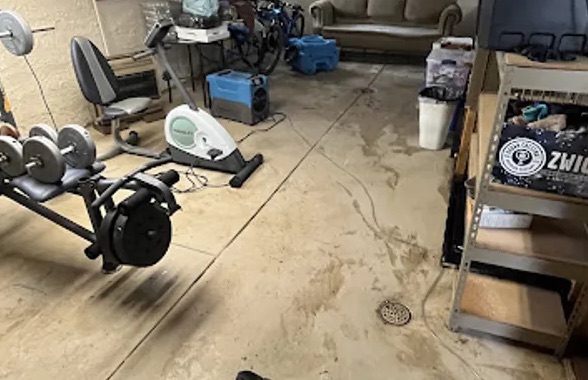
Local Warehouse Restoration Experts Serving Kent
In Kent, local pros use truck-mounted equipment to extract flood water and start drying the warehouse floor, protecting materials and stock.
In Kent, warehouse floods need large-volume extraction and drying. Local pros dry and clean the building, including mold removal, and also serve Des Moines, Lakeland North and Lea Hill.
Detailed Warehouse Water Damage Restoration Offerings in Kent
Warehouse Floor Water Removal
Pros use equipment made for concrete and epoxy coatings to extract trapped moisture and dry the floor in Kent.
Warehouse Equipment Drying
Water can damage warehouse machinery and electrical systems. Pros dry equipment carefully to prevent corrosion and failures, and the owner or maker confirms it is safe to restart.
Warehouse Inventory Water Damage
When warehouse inventory gets wet, content restoration efforts begin. Techniques are selected based on material type, aiming to clean and dry goods where possible.
Warehouse Structural Drying
Warehouse structural drying uses industrial air movers and dehumidifiers following industry-standard methods to dry walls, floors, and structural components.
Warehouse Leak Detection Repair
Pros check common entry points like roof seams and penetrations, then make a temporary repair to stop the water.
Indicators of Warehouse Water Damage in Kent
Damp Inventory or Materials
Wet boxes, soggy pallets or damp raw materials mean water is reaching your inventory.
Condensation on Equipment
Water beads on metal machinery or control panels show high humidity, risking corrosion and downtime.
Wet Electrical Components
Any moisture near panels, conduits, or outlets is an immediate safety hazard for warehouse operations.
Warped or Buckling Floors
A curling slab or failing epoxy coating points to moisture under the floor.
How Warehouse Water Damage Restoration Works in Kent
Step 1: Flood Water Removal
The first response involves rapid warehouse flood water extraction using truck-mounted or portable systems to clear aisles and work areas of bulk water.
Step 2: Comprehensive Moisture Mapping
Pros use sensors to map moisture levels throughout the warehouse, identifying wet spots in floors and walls to guide the warehouse drying services plan.
Step 3: Targeted Equipment Drying
Machinery and electrical panels near the water get focused drying to limit corrosion and electrical damage.
Step 4: Sanitization and Air Scrubbing
If needed, the area is sanitized, and air scrubbers remove particulates and odors, completing the warehouse water damage cleanup and restoring air quality.
Leading Causes of Water Intrusion in Kent
Roof Leaks and Penetrations
Damaged roofing, failed seals around vents or skylights, and storm damage allow water into warehouse spaces.
Human Error and Accidents
A left-on hose, an overturned tank, or a forklift damaging a pipe can initiate flooding.
Sprinkler System Malfunction
Accidental discharge, a faulty head, or a broken pipe in fire suppression systems causes major flooding.
Process Equipment Leaks
Cooling lines, hydraulic systems, or wash-down stations can develop leaks, creating localized water damage.
Warehouse Water Damage Restoration for Kent Businesses
Residential Water Damage Restoration
Homeowners with pole barns or large outbuildings used for hobbies or business storage benefit from warehouse water removal methods when a leak soaks flooring and stored belongings, preventing mold growth.
Warehouse Water Damage Restoration
An active warehouse leak repair must address not just the water source but also the potential for corrosion on steel supports and damage to sensitive electronics controlling automation.
Warehouse Water Damage Restoration vs. DIY: When to Call Warehouse Restoration Experts
If safe to do so, you can attempt to stop the water source by shutting off the main supply valve or placing a bucket under a small, accessible leak. However, for any significant warehouse flood cleanup, you should immediately call local warehouse water damage pros to prevent escalation.
What Affects Warehouse Water Damage Restoration Pricing
Commercial water extraction pricing in Kent considers the number of affected warehouse zones, the type of flooring materials, and any post-extraction sanitation needs for the space.
Mold Remediation Needs
If secondary mold growth is present, the project scope expands to include containment, removal, and air scrubbing, adding to the cost.
Emergency Service Timing
A 24/7 response outside standard hours may involve different service rates compared to a scheduled appointment during business hours.
Water Volume and Source
Clean water from a broken pipe costs less to extract than contaminated flood water requiring advanced sanitation procedures in the warehouse.
Does Insurance Cover Warehouse Water Damage Restoration?
Warehouse water damage pros provide detailed reports and invoices that document the scope of work and moisture readings. The property owner can submit these to their insurer, but final coverage decisions rest with the insurance company.
Benefits of Local Warehouse Restoration Experts in Kent
Leak Detection Repair
After extraction, warehouse leak repair experts can help identify and address the source of the water intrusion to prevent a recurrence.
Moisture Documentation
Detailed logs of moisture readings before, during, and after restoration provide a clear record for your reference and any insurance requirements.
Equipment Drying Protocols
Specialized techniques for warehouse equipment drying aim to minimize corrosion and electrical damage to machinery and control panels after water exposure.
24/7 Emergency Warehouse Water Damage Restoration in Kent
Stop warehouse water damage from spreading to other areas of the facility by calling for professional help. Reach the specialists immediately at (425) 600-5879 for a 24/7 emergency response to begin water removal and drying.
Call Now (425) 600-5879Warehouse Water Damage Restoration Serving Kent and Surroundings
Warehouse floor water removal and drying are available in Kent, and places like Des Moines, Lakeland North and Lea Hill.
- Warehouse Water Damage Restoration in Des Moines
- Warehouse Water Damage Restoration in Lakeland North
- Warehouse Water Damage Restoration in Lea Hill
- Warehouse Water Damage Restoration in SeaTac
- Warehouse Water Damage Restoration in Auburn
- Warehouse Water Damage Restoration in Federal Way
- Warehouse Water Damage Restoration in Covington
- Warehouse Water Damage Restoration in Fairwood
- Emergency Damage Restoration in 98030
- Storm Damage Restoration in 98030
- Water Damage Restoration in 98030
- Water Extraction Service in 98030
- Water Leak Detection in 98030
- Water Removal Service in 98030
- Emergency Damage Restoration in 98031
- Storm Damage Restoration in 98031
Common Warehouse Water Damage Restoration Queries
What's included in warehouse water damage cleanup?
Cleanup encompasses water extraction, debris removal, surface sanitization of affected areas, and odor control measures after the primary structural drying phase is complete.
How do pros handle warehouse flood water extraction?
They use truck-mounted or industrial portable extractors to remove bulk water quickly, followed by detailing to pull water from cracks and crevices.
What causes warehouse leaks needing detection and repair?
Common sources include roof failures, compromised siding or cladding, sealant failures around doors and loading docks, or plumbing issues within the warehouse's utility infrastructure.
Is warehouse equipment drying different from structural drying?
Yes, it often requires specific techniques like controlled low-heat drying, corrosion inhibitors, and electrical testing to protect machinery after water exposure.
Why is fast response crucial for warehouse water removal?
The longer water sits, the deeper it penetrates concrete, drywall, and stored goods. This increases damage to inventory, equipment, and the building's structural components over time.