Issaquah, WA · King County
Water Heater Burst Water Removal in Issaquah, WABurst Pipe Mold Prevention & Burst Water Heater Damage Cleanup
Water Heater Burst Water Removal in Issaquah handles wet drywall removal after burst, water damaged floor removal, and emergency burst heater cleanup.
Answered 24/7
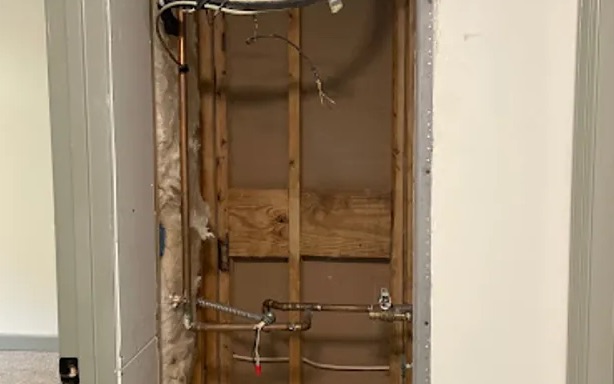
Water Heater Burst Water Removal Services for Issaquah
In Issaquah, a burst water heater is a common plumbing emergency. The water damages building materials and creates slip hazards, so fast removal matters.
In Issaquah and nearby Klahanie, Newcastle and Fairwood, local water damage pros extract water after a heater bursts, check for hidden moisture, remove wet drywall and dry the area for repairs.
Water Heater Burst Water Removal Services in Issaquah
Burst Pipe Mold Prevention
The warm, wet conditions from a hot water leak encourage mold. Prevention involves thorough drying, ventilation, and targeted applications to create hostile conditions for mold.
Burst Water Heater Damage Cleanup
Cleanup goes beyond drying. Local water removal pros remove debris, clean walls, and treat surfaces to prevent odors using industry-standard methods.
Water Heater Flood Water Removal
Addressing this flood requires the right equipment. High-capacity extraction tools manage the substantial flow from a full tank failure.
Water Heater Burst Water Extraction
After a heater bursts, the pros in Issaquah use powerful pumps to remove the standing water before it soaks into floors and walls.
Hot Water Leak Drying Services
Drying targets unseen moisture. After a burst, warm water seeps deep into materials. Experts use ventilation and dehumidification to draw it out.
Warning Signs You Need Water Heater Burst Water Removal
Musty Odors From the Area
A musty smell near the water heater can indicate hidden moisture and early mold growth. Mold prevention after water leak services should be considered immediately.
Rusty or Discolored Water
Rusty water from hot taps can mean the tank is corroding inside, which often comes before a leak.
Wet Floors or Baseboards Nearby
Damp flooring or baseboards near the water heater mean water is spreading into the room.
Sudden Loss of Hot Water
Suddenly losing hot water can mean the water heater has failed inside. Check the base of the tank for water.
How Water Heater Burst Water Removal Works in Issaquah
Step 1: Rapid Water Heater Leak Containment
The first action is to contain the water spread. The experts use barriers and immediately start water removal to limit damage to adjacent areas.
Step 2: Complete Water Extraction Process
Powerful extractors remove all standing and absorbed water before subfloors swell and drywall is ruined.
Step 3: Structural Drying and Monitoring
Drying equipment dries framing and subflooring, and pros check moisture levels daily until everything is dry.
Step 4: Damaged Material Removal and Prep
Drywall and insulation that cannot be saved are removed, which prepares the area for repairs.
Common Causes of Water Heater Bursts in Issaquah
Sediment Buildup in the Tank
Minerals settling at the bottom of the tank create hot spots and pressure. This stress can cause the tank to overheat and eventually rupture, leading to a hot water leak.
Corrosion and Rust Over Time
The metal tank corrodes from the inside out due to constant water exposure and chemical reactions.
Faulty or Failing Temperature Valve
A malfunctioning temperature and pressure relief valve cannot release excess pressure. This trapped pressure builds until it forces a rupture in the tank's weakest point.
Physical Damage to the Tank
Dents, dings, or impacts from moving objects can compromise the tank's structural integrity. Even minor damage can become the starting point for a major leak.
Water Heater Burst Water Removal for Homes and Businesses in Issaquah
Residential Water Heater Burst Water Removal
Residential water heater floods often require careful handling of finished basements or adjacent rooms. The process involves water heater burst water extraction, sanitization, and targeted drying to restore normal living conditions safely.
Commercial Water Heater Burst Water Removal
A burst heater in a commercial setting risks slip hazards and code violations. The pros secure the area, extract standing water, and implement drying plans to get the business back to code quickly.
Professional Water Removal vs DIY Cleanup in Issaquah
Monitor the area for any increase in water flow or new leaks, and be prepared to shut off the main house water if necessary. You can mop up small amounts of water with a standard mop and bucket.
Cost Considerations for Burst Heater Cleanup in Issaquah
The cost of water heater burst water removal in Issaquah depends on the volume of hot water released and the number of rooms impacted by the initial flood.
Extent of Water Damage
The square footage flooded and the depth of standing water from the burst heater determine the scope and price of water removal.
Structural Repairs
Any necessary removal and replacement of water-damaged building materials like drywall or flooring is a separate factor in the final cost.
Mold Prevention Measures
Applying antimicrobial treatments to prevent mold growth after a water heater leak adds a line item to the total restoration cost.
Does Insurance Cover Water Heater Burst Water Removal?
For a burst water heater, insurance may cover the resulting water removal and drying if the cause is a covered peril. The pros meticulously record the scope of hot water leak damage for your adjuster's review.
Why Hire Water Removal Pros for Water Damage in Issaquah
Mold Prevention Focus
Addressing moisture promptly and applying EPA-registered antimicrobials helps prevent mold growth after a water leak, protecting indoor air quality.
Sequenced Restoration Process
Work follows a logical sequence: extraction, drying, cleaning, and controlled demolition, methodically addressing burst water heater damage cleanup.
Thorough Structural Drying
The process uses industrial air movers and dehumidifiers to dry affected materials properly, a key step in water damage restoration.
24 Hour Burst Water Heater Cleanup in Issaquah
Minimize repair costs and secondary damage after a water heater flood. Start the property water damage repair process with an emergency response from the pros by dialing (425) 600-5879 now.
Call Now (425) 600-5879Areas Served for Water Heater Burst Water Removal Near Issaquah
Water heater burst water removal services address the urgent need to extract hot water and dry out rooms in Issaquah and nearby areas like Klahanie, Newcastle and Fairwood.
- Water Heater Burst Water Removal in Klahanie
- Water Heater Burst Water Removal in Newcastle
- Water Heater Burst Water Removal in Fairwood
- Water Heater Burst Water Removal in Renton
- Water Heater Burst Water Removal in Bellevue
- Water Heater Burst Water Removal in Union Hill
- Water Heater Burst Water Removal in Snoqualmie
- Water Heater Burst Water Removal in Maple Valley
- Emergency Damage Restoration in 98027
- Storm Damage Restoration in 98027
- Water Damage Restoration in 98027
- Water Extraction Service in 98027
- Water Leak Detection in 98027
- Water Removal Service in 98027
- Emergency Damage Restoration in 98029
- Storm Damage Restoration in 98029
Common Water Heater Burst Water Removal FAQs for Issaquah
Is wet drywall removal always necessary after a burst?
Not always. The pros use moisture meters to assess drywall. If it's saturated and cannot be dried thoroughly, removal is needed to prevent mold inside walls.
What equipment is used for hot water leak drying services?
Industrial-grade equipment is used, including truck-mounted or portable extractors, high-velocity air movers, dehumidifiers, and infrared cameras or moisture meters for inspection.
Why is specialized drying needed for a hot water leak?
Hot water can soak into materials faster than cold, so drying needs to reach deeper.
Why is immediate water extraction service critical after a burst?
Quick removal limits the water's spread and penetration, reducing the extent of damage, the drying time required, and the overall cost of property water damage repair.
What are the steps for emergency burst heater cleanup?
Steps include stopping the water source, extracting standing water, setting up drying equipment, monitoring moisture levels, and cleaning/disinfecting the area to prepare for repairs.